

Earth Day is a wonderful opportunity to teach kids about the importance of caring for our planet. Incorporating Earth Day classroom treats into school celebrations can make these lessons fun and tasty. By creating eco-friendly snacks for kids, you can highlight sustainability while satisfying their sweet cravings. Let’s explore how to make delicious treats that are both educational and enjoyable.
Introduction
Earth Day, celebrated every April 22nd, is a global event dedicated to environmental protection and awareness. Schools often participate by engaging students in activities that highlight the importance of sustainability. Incorporating Earth Day classroom treats into these celebrations can spark interest in eco-friendly living, making it an enjoyable learning experience. Whether through plant-based treats or seasonal fruit desserts for classrooms, these treats are a delightful way to educate children about sustainable practices.
By involving children in the preparation of Earth Day classroom treats, educators can take learning beyond the textbooks. For example, teachers can organize group activities where students share facts about different ingredients’ environmental impacts. These collaborative sessions can inspire thoughtful discussions on topics such as reducing food waste, choosing reusable packaging, and the benefits of local produce. Incorporating interactive activities allows students to apply their knowledge practically, reinforcing lessons learned in the classroom.
Ingredients
Focus on Organic and Sustainable Ingredients
- Organic fruits and vegetables: For fresh and nutritious options, consider berries, apples, and carrots.
- Whole grains: Oats and whole wheat flour are excellent bases for cookies and bars.
- Natural sweeteners: Honey, maple syrup, and agave are healthier alternatives to refined sugar.
- Plant-based alternatives: Nut butters and dairy-free chocolate add richness without compromising sustainability.
When selecting ingredients, consider visiting local farmers’ markets for a wider variety of organic produce. Many local farmers offer unique, seasonal items that can add a special twist to your Earth Day classroom treats. For example, using heirloom varieties of apples or heritage grains can elevate the flavor and educational value of your recipes. Additionally, teaching kids to read ingredient labels and identify organic certifications can promote mindfulness about food sourcing and quality.
Sourcing local and seasonal ingredients not only ensures freshness but also supports local farmers, reducing the carbon footprint. Equip your kitchen with kid-friendly baking tools to make preparation simple and safe. Check out our related guide for more tips.
Steps / Instructions
Easy Classroom Recipes
Here are two delightful recipes to make your Earth Day celebration memorable.
Earth Day Themed Cookies
- Ingredients:
- 2 cups whole wheat flour
- 1/2 cup honey
- 1/2 cup nut butter
- 1 tsp baking soda
- 1/2 cup dairy-free chocolate chips
- Blue and green natural food coloring
- Instructions:
- Preheat the oven to 350°F (175°C).
- In a large bowl, mix the flour, baking soda, and chocolate chips.
- In another bowl, whisk honey and nut butter until smooth.
- Combine the wet and dry ingredients; divide into two halves.
- Tint one half blue and the other green with natural food coloring.
- Form balls by combining equal parts of each dough, creating an Earth-like pattern.
- Place on a baking sheet and bake for 10-12 minutes. Cool and serve.
To add an educational twist, assign students to research the origin of each ingredient used in the Earth Day themed cookies. Have them present their findings to the class, emphasizing sustainable farming practices and global trade. This additional activity not only enriches their understanding but also reinforces the significance of each component in their recipe.
Plant-Based Fruit Cups
- Ingredients:
- Assorted seasonal fruits (berries, kiwi, grapes)
- 1 tbsp lemon juice
- 2 tbsp maple syrup
- Mint leaves for garnish
- Instructions:
- Chop fruits into bite-sized pieces.
- Toss the fruits in a bowl with lemon juice and maple syrup.
- Spoon the mixture into compostable cups and garnish with mint leaves.
Plant-based fruit cups offer a refreshing departure from conventional desserts, spotlighting the beauty of nature in every bite. For a hands-on learning experience, consider organizing a class garden where students can grow some of the ingredients used in their treats. This project can teach patience and responsibility while highlighting the effort behind food production, making them appreciate their Earth Day classroom treats even more.
Tips & Tricks
Enhance the Experience
Make the preparation process engaging by using safe, kid-friendly baking tools. Discuss with students the benefits of eco-friendly eating and how each ingredient contributes to environmental health. Integrating fun facts or a short discussion on Earth Day can enhance the educational aspect.
One way to further enrich the experience is by introducing students to composting. After preparing the Earth Day classroom treats, collect leftover fruit peels and scraps for a small composting demonstration. This activity can show students how composting reduces waste and enriches soil, linking their culinary efforts with broader environmental goals. Including a simple composting guide can encourage families to continue these practices at home.
Variations
Creative Earth Day Food Ideas
- Try using coconut or matcha for global flavor twists.
- Consider gluten-free flours like almond flour for dietary inclusivity.
- Create fun edible crafts such as cupcake decorations with eco-friendly frosting.
To expand on creative Earth Day food ideas, try incorporating vegetables into sweet treats, like using zucchini or carrots in muffins and cakes. These additions not only boost nutritional value but also demonstrate versatility in cooking. Furthermore, organizing a mini taste-testing event can allow students to explore flavors they might not typically encounter, broadening their palate while celebrating Earth Day.
Serving Suggestions
Presentation is Key
Present your treats on biodegradable plates to underscore the theme of sustainability. Encourage students to bring reusable containers for leftovers, promoting a waste-free mindset. A garden-themed tablecloth can also enhance the presentation, making the treats visually appealing.
Consider creating a display board with photos and descriptions of the ingredients and the journey from garden to table. This visual component can serve as an educational backdrop, reinforcing the concepts discussed throughout the Earth Day lessons. Additionally, providing a small handout with environment-friendly tips and recipes can extend the learning experience beyond the classroom, encouraging students to share their newfound knowledge with family and friends.
Nutrition Values
Healthy School Celebration Snacks
These treats are not only delicious but also nutritious. Using organic and plant-based ingredients provides essential vitamins and minerals. No-bake options like fruit cups are low-calorie and refreshing. Earth Day classroom treats can seamlessly fit into a balanced diet for kids, offering a healthy alternative to conventional snacks.
For parents and educators seeking to incorporate healthier options into everyday meals, these Earth Day classroom treats offer a blueprint for success. Highlighting the health benefits of specific ingredients, such as the antioxidants in berries or the healthy fats in nut butters, can make these treats educational and appealing. Including a comparison table that contrasts these healthy snacks with more traditional, processed alternatives can vividly demonstrate their benefits. This information can empower children and their communities to make informed food choices beyond Earth Day.
Frequently Asked Questions
Can I substitute ingredients for allergies?
Yes, you can replace nut butter with sunflower seed butter or use gluten-free flour for those with sensitivities.
Are these treats suitable for vegan diets?
Absolutely, most of these recipes can be easily adapted for vegan diets as they already include plant-based components.
How can I involve students in the process?
You can assign tasks like measuring ingredients or decorating the finished treats, ensuring they are part of the creative process.
To further involve students, consider creating a “chef of the day” role where selected students lead preparation under teacher supervision. This leadership opportunity can build confidence and foster responsibility while enhancing teamwork skills. Providing students with feedback on their role can create a positive learning experience and inspire future culinary endeavors.
Conclusion
Earth Day classroom treats are a delightful way to celebrate while educating children about sustainability. By trying these recipes, you engage students in a hands-on activity that combines fun and learning. Feel free to share your experiences and any creative twists you’ve made in the comments below. Let’s inspire a new generation to enjoy eco-friendly eating.
As we conclude our exploration of Earth Day classroom treats, remember that the journey does not end with a single celebration. By incorporating these principles into everyday life, from choosing eco-friendly products to reducing waste, students can become ambassadors of sustainability. Encourage them to share what they’ve learned, making a positive impact on their communities and nurturing a lasting respect for our planet.
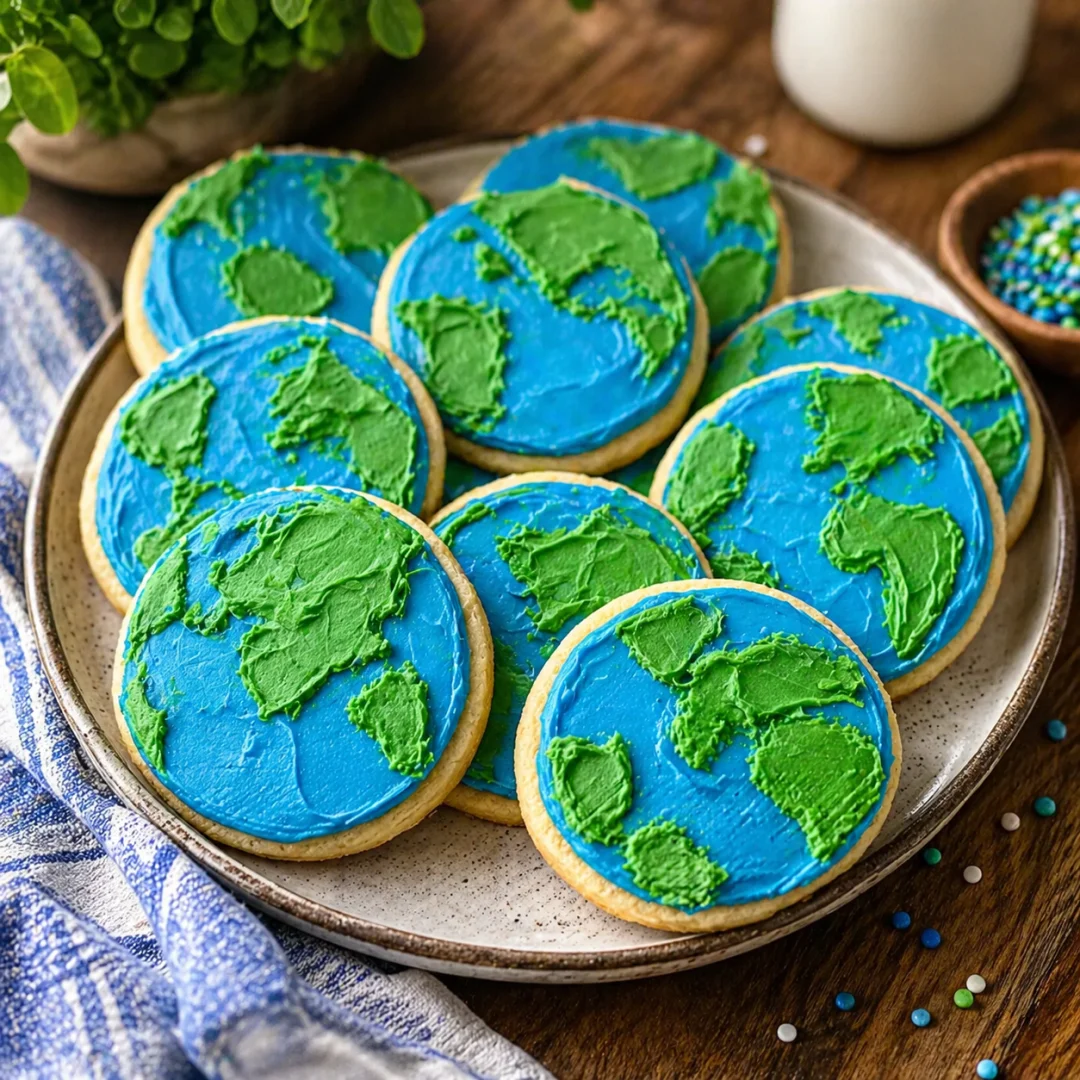
Earth Day Themed Cookies
Delicious cookies inspired by Earth Day, made with sustainable and organic ingredients.
Ingredients
- 2 cups whole wheat flour
- 1/2 cup honey
- 1/2 cup nut butter
- 1 tsp baking soda
- 1/2 cup dairy-free chocolate chips
- Blue and green natural food coloring
Directions
Preheat the oven to 350°F (175°C).
In a large bowl, mix the flour, baking soda, and chocolate chips.
In another bowl, whisk honey and nut butter until smooth.
Combine the wet and dry ingredients; divide into two halves.
Tint one half blue and the other green with natural food coloring.
Form balls by combining equal parts of each dough, creating an Earth-like pattern.
Place on a baking sheet and bake for 10-12 minutes. Cool and serve.
Recipe Reviews
- ★★★★★
Excellent recipe!
Leave a Reply
Your email address will not be published. Required fields are marked *




Excellent recipe!