There’s something about a beef stew that whispers of comfort, heritage, and the kind of love that simmers for hours. The first time I attempted my own version of this classic, let’s just say it humbly bowed out to my grandmother’s mastery. My beef was tough, my veggies were mush, and the flavor was as flat as a floundered soufflé. But, I mean, isn’t that how all great kitchen stories begin? With a bit of disaster and a lot of determination?
Fast forward a handful of tweaks and a dozen stews later, and I’m finally ready to unveil my Best Ever Beef Stew. It’s got the richness that wraps you up like a warm hug from your favorite aunt, and a heartiness that stands up to the coldest of evenings. Honestly, it’s my go-to when I need to feel grounded, or when I just want to impress the in-laws.
Table of Contents
Ingredients
Now, about those ingredients… I’ve learned that the best stews come from simple beginnings and a dash of patience. Here’s what you’ll need:
- 2 lbs beef chuck, cut into 1-inch pieces
- 3 tbsp all-purpose flour
- 2 tbsp vegetable oil
- 1 large onion, chopped
- 3 garlic cloves, minced
- 4 cups beef broth
- 2 tbsp tomato paste
- 1 tbsp Worcestershire sauce
- 1 tsp dried thyme
- 1/2 tsp salt
- 1/2 tsp black pepper
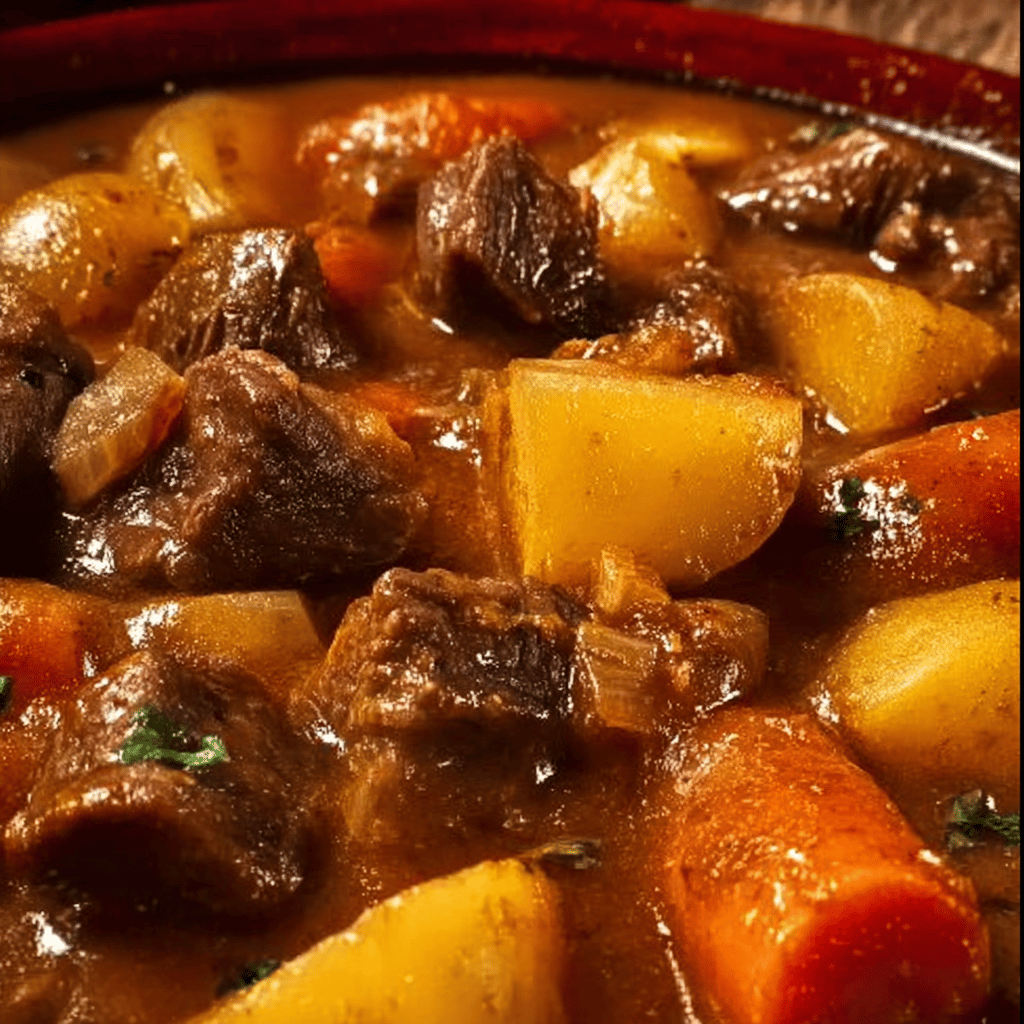
- 3 large carrots, peeled and sliced
- 2 parsnips, peeled and sliced
- 1 lb potatoes, peeled and cut into chunks
- 1 cup frozen peas, thawed
- Chopped parsley for garnish (optional)
Instructions
Trust me when I say, the secret’s in the steps. Follow these instructions, and you’ll have a stew that’s sure to wow:
- Dust the beef chunks with flour until well-coated. This little trick (learned this the hard way) thickens the stew beautifully.
- In a large pot, heat the oil over medium-high heat. Add the beef in batches, browning on all sides. Don’t rush this step – those browned bits are flavor gold.
- Add the onion and garlic to the pot, stirring until they’re tender and fragrant. It’s that smell that tells you things are moving in the right direction.
- Stir in the beef broth, scraping up any browned bits from the bottom of the pot. Add the tomato paste, Worcestershire sauce, thyme, salt, and pepper, then bring to a boil.
- Reduce heat to low, cover, and simmer for 1 1/2 hours. The anticipation will start to build as the stew bubbles away.
- Add the carrots, parsnips, and potatoes, then continue to simmer covered for another hour or until the meat is tender. This is a good time to sneak a taste and adjust the seasoning if needed.
- Stir in the peas and cook for an additional 5 minutes. They add a pop of color and sweetness that rounds out all the flavors.
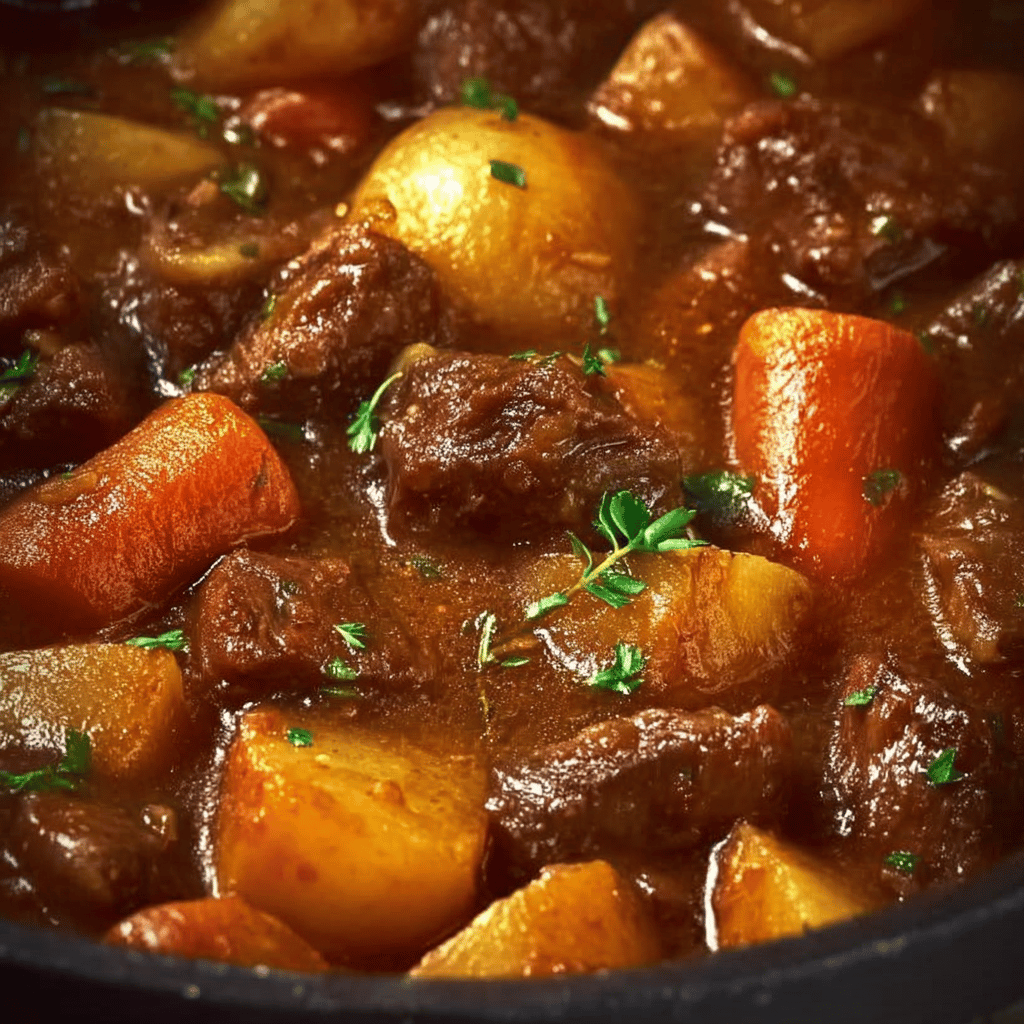
- Ladle into bowls, garnish with parsley if you’re feeling fancy, and serve up the kind of meal that makes memories.
Tips & Tricks
As for those little nuggets of wisdom? Here’s the lowdown:
- Quality matters: Splurge on a good cut of beef; it’s the star of the show, after all.
- Patience is key: Don’t skimp on the simmer time. It’s what makes the beef fall-apart tender. (I’ve tried to rush it before, and it’s just not the same.)
- Brown the meat: Really take the time to get a nice sear on the beef. It locks in flavor and adds depth to the stew.
FAQ
Got questions? I’ve got answers, and if I don’t, we’ll figure it out together:
- Q: Can I make this in a slow cooker?
- A: Absolutely! Brown the meat first, then transfer everything to your slow cooker and cook on low for 8 hours. It’s a game changer for busy days.
- Q: What if I don’t have parsnips?
- A: No worries! You can double up on the carrots or toss in some turnips. Stews are forgiving like that.
- Q: How long does this keep in the fridge?
- A: Stored in an airtight container, your stew will be good for 3-4 days. But honestly, it tastes even better the next day.
Conclusion
My journey to crafting the Best Ever Beef Stew has been a bumpy one, but the end result is a dish that’s earned its place at family gatherings, potlucks, and quiet nights in. It’s not just a recipe; it’s a story in a pot, seasoned with trial and error, served up with a spoonful of pride. And now, it’s yours to share, to savor, and to make your own. So, tie on that apron, and let’s get cooking!
Cooking Tips
You know what? The best cooking tips often come from those little “oops” moments. Like the time I totally forgot to peel the potatoes. Turns out, they added a rustic touch that my friends raved about. So don’t sweat the small stuff. Here are a few more pointers:
- Don’t skip the sear: I can’t stress this enough. Getting that deep, caramelized sear on the beef makes all the difference. It’s like the difference between a good stew and a great stew.
- Herb it up: Fresh herbs can be a game changer. If you have them, throw in a bay leaf or some fresh rosemary for an extra layer of flavor.
- Thicken with care: If your stew’s looking a bit thin, mix a little cornstarch with cold water and stir it in. Just remember, a little goes a long way (learned this the hard way).
Calories
Let’s talk numbers for a second. A serving of this beef stew is about 350 calories. Not too shabby, right? It’s hearty enough to fill you up but won’t weigh you down. Perfect for those nights when you want something satisfying but still kinda sorta healthy.
Substitutions
Life’s too short to stress about missing an ingredient. Here are some easy swaps that I’ve used in a pinch:
- No beef chuck? Try stew meat or even short ribs. They work just as well.
- Out of all-purpose flour? Cornstarch or even gluten-free flour blends can do the trick for coating the beef.
- Vegetable oil can be swapped for olive oil or even bacon grease (oh yes, I went there, and it was fabulous).
Storage Tips
Leftovers are a gift in disguise. Here’s how to keep the magic of your stew alive for days:
- Let the stew cool completely before storing it (trust me, you don’t want to deal with that condensation).
- Store it in an airtight container to keep the flavors locked in and the fridge odors out.
- For longer storage, freeze it in portions. Just thaw overnight in the fridge when you’re ready for a stew revival.
Variations
Now, don’t get me wrong, I love the classic. But there’s a whole world of stew out there waiting to be explored. Here’s a couple of twists to keep things interesting:
- Guinness Beef Stew: Add a cup of Guinness beer for a deeper, malty flavor that’s just out of this world.
- Spicy Beef Stew: Throw in some chili flakes or a diced jalapeño if you like a kick. It’s a whole new level of cozy.
Cultural Story
Every family has its stew story, and mine is steeped in Sundays at my grandma’s house. It was there, under the warm glow of her kitchen, that I learned the power of a good stew. She’d say, “It’s not about the food; it’s about the time you give it.” In her hands, the ingredients were less important than the patience and care she stirred into the pot. This stew is my homage to her legacy—a blend of tradition and my own personal touch.
Troubleshooting
Ran into a stew snafu? Don’t fret; here’s how to fix some common issues:
- Meat not tender? Give it more time. Sometimes, it just needs another half hour to reach that perfect, melt-in-your-mouth state.
- Stew too thick? Add a splash of broth or water. Remember, it’s easier to thin out than to thicken.
- Lacking flavor? A pinch of salt, a dash of Worcestershire, or a squeeze of tomato paste can wake it right up.
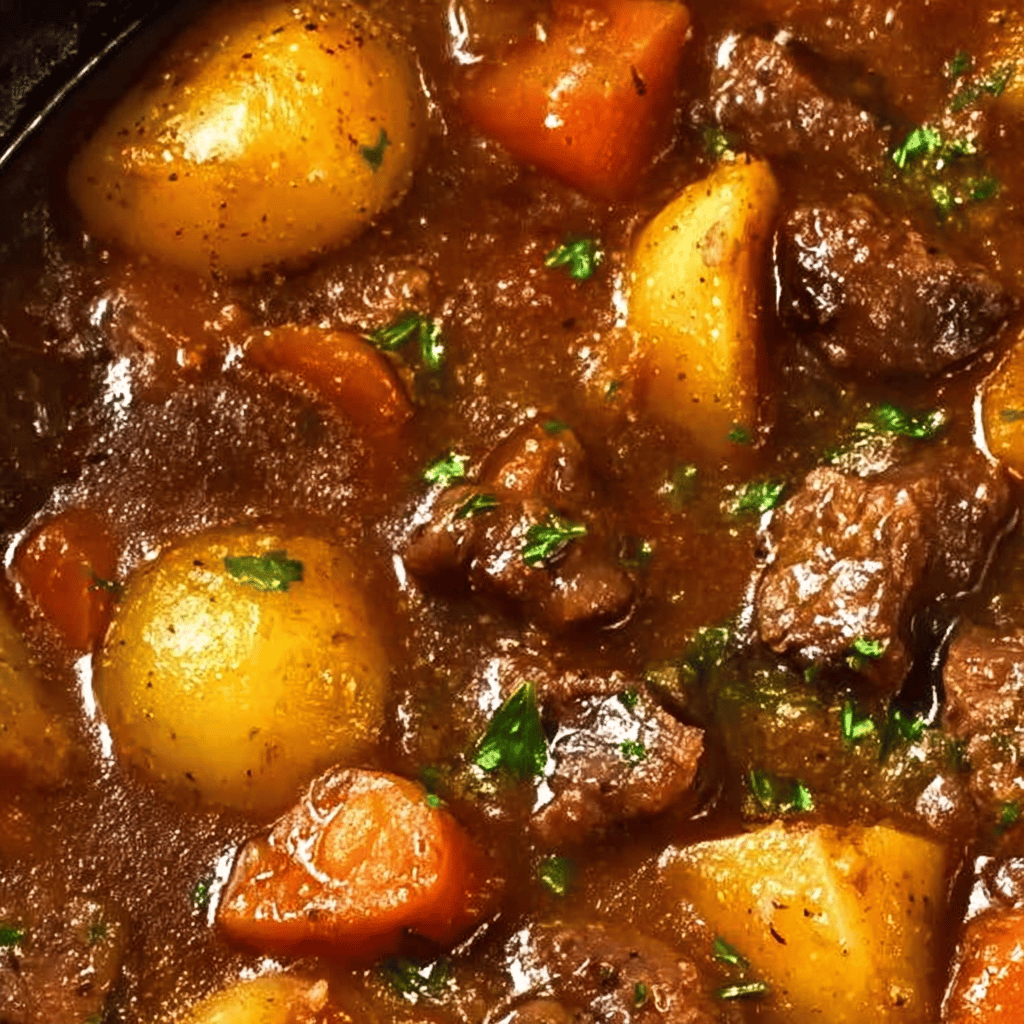
So there you have it, my take on the Best Ever Beef Stew—a dish that’s seen its fair share of blunders but emerged as a family favorite. It’s proof that great cooking isn’t about perfection; it’s about embracing the mishaps and making them part of your culinary story. Now, go forth and stew with confidence, knowing that with a little love (and maybe a backup plan), you’ll have a dish that’ll warm hearts and bellies alike. Happy cooking!