

Discover the secret to achieving a perfect crust every time with my comprehensive guide. Say goodbye to soggy bottoms and hello to a pie crust that’s consistently flaky and delicious. Whether you’re a seasoned baker or just starting, this guide is packed with tips, tricks, and techniques to elevate your baking game.
Ingredients
Dry Ingredients
- 2 1/2 cups all-purpose flour
- 1 teaspoon salt
- 1 teaspoon sugar
Wet Ingredients
- 1 cup unsalted butter, chilled and diced
- 6-8 tablespoons ice water
Special Notes
- For a gluten-free option, substitute all-purpose flour with a gluten-free blend.
- Ensure butter is very cold to achieve a flaky pie crust recipe.
- Use high-quality, fresh butter for the best flavor and texture. Organic butter often provides a richer taste.
- If using salted butter, reduce the added salt by half to balance flavors.
- Chilling the dry ingredients before mixing can further enhance flakiness by keeping the overall temperature low.
- Consider weighing your flour for accuracy, as too much can make the crust dense.
Steps / Instructions
- Combine Dry Ingredients: In a large mixing bowl, whisk together the flour, salt, and sugar until well combined. Ensure there are no lumps for an even mixture. If needed, sift the flour to aerate and break up any clumps.
- Incorporate Butter: Add the diced butter to the flour mixture. Using a pastry cutter or your fingertips, blend the butter into the flour until the mixture resembles coarse crumbs. The butter pieces should be about the size of peas for optimal flakiness. Work quickly to prevent the butter from softening.
- Add Ice Water: Drizzle in the ice water, one tablespoon at a time, mixing gently with a fork or your hands until the dough holds together. Be cautious not to over-moisten. The dough should be just moist enough to hold together without being sticky. Adjust the water amount according to humidity levels.
- Form the Dough: Gather the dough into a ball, divide it in half, and flatten each half into a disk. Wrap in plastic wrap and refrigerate for at least 1 hour. This allows the gluten to relax and the butter to firm up, crucial for achieving the perfect crust. Longer chilling times can improve texture further.
- Roll Out the Dough: On a lightly floured surface, roll out the dough to fit your pie pan. Roll from the center outward, maintaining an even thickness. Rotate the dough occasionally to prevent sticking and ensure even thickness throughout. Aim for a uniform thickness of about 1/8 inch.
- Transfer and Shape: Gently transfer the dough to the pie pan. Trim and crimp the edges to create a decorative border. Ensure the dough is snug against the pan to prevent air pockets during baking. Use leftover scraps to patch any tears gently.
- Blind Baking: Preheat your oven to 375°F (190°C). Line the crust with parchment paper and fill with pie weights. Bake for 15 minutes, then remove the weights and bake for an additional 5-10 minutes until golden brown. The crust should be lightly browned and set before adding fillings. Watch closely to avoid over-baking.
Tips & Tricks
- Storage Tips: Unbaked dough can be stored in the refrigerator for up to 3 days or frozen for up to 1 month. Thaw in the refrigerator before use. For longer storage, wrap tightly in a double layer of plastic wrap and aluminum foil.
- Make-Ahead Options: Prepare and refrigerate dough disks the day before to save time. This also enhances the flavor as the flour hydrates. Consider making extra to keep on hand for spontaneous baking.
- Common Mistakes to Avoid: Don’t overwork the dough; it will lead to a tough crust. Handle the dough gently and minimally to achieve the perfect crust texture. Avoid stretching the dough when placing it in the pie pan.
- Pro Techniques: Try layering the dough with butter for extra flakiness, similar to making puff pastry. This technique, known as laminating, involves folding and rolling the dough several times. It creates distinct layers for a perfect crust.
- Cautious with Water: Adding too much water is a common mistake. If the dough is too wet, it can become sticky and difficult to work with, affecting the final crust. Start with the minimum amount and add more if necessary.
Variations
- Dietary Alternatives: Use coconut oil instead of butter for a vegan crust. Ensure the coconut oil is solidified and cold for best results. Coconut oil adds a subtle tropical flavor that can complement certain fillings.
- Flavor Variations: Add herbs like rosemary or thyme for a savory twist, ideal for a homemade crust for quiches. For sweet pies, consider adding cinnamon or nutmeg to the dry ingredients. These spices can enhance seasonal fillings beautifully.
- Ingredient Swaps: Use brown sugar instead of white sugar for a richer flavor profile for crusts. This adds a subtle caramel note that complements many fillings. Substitute some flour with finely ground nuts for added texture and taste.
- Spiced Option: For a unique spin, incorporate a pinch of cayenne pepper for a hint of heat, especially delightful in savory applications. This can add depth to meat pies or spiced vegetable fillings.
Serving Suggestions
- Pairing Suggestions: Serve with a dollop of whipped cream or ice cream for dessert crust ideas. Try pairing with a fruit compote for added freshness. For savory pies, a side of crisp salad balances the richness.
- Garnishing Ideas: Sprinkle with turbinado sugar before baking for a sparkling finish. You can also brush the crust with egg wash for a glossy sheen. Top with toasted nuts or seeds for added crunch and flavor.
- Complementary Dishes: Pair a savory pie crust with a fresh salad or pimento cheese spread. A glass of chilled white wine or a light beer can also complement the dish beautifully. For dessert pies, consider a dessert wine or coffee.
- Presentation Tips: Serve slices with a small sprig of mint or edible flowers for a touch of elegance. Use a ceramic pie dish for rustic charm and to keep the crust warm longer.
FAQ
- How to prevent soggy crust? Blind baking is key. Use pie weights to keep the crust flat during the initial bake. Ensure the filling is not overly moist to avoid a soggy bottom. Consider thickening fruit fillings with cornstarch or flour.
- What are the best baking tools for crust? A pastry cutter and rolling pin are essential for creating a perfect crust. A silicone baking mat can help prevent sticking when rolling out the dough. Opt for a glass pie pan to monitor browning.
- Can I make a gluten-free pie crust? Yes, substitute the flour with a gluten-free blend and follow the same steps. Make sure the gluten-free flour blend contains xanthan gum for a structure similar to traditional crust. Adjust hydration as needed for texture.
- What’s the science behind a perfect crust? Keeping ingredients cold helps maintain the butter’s solid state, creating steam pockets for flakiness. This is critical for achieving the perfect crust texture and appearance. The steam from melting butter in the oven lifts the dough layers.
- Why is my crust shrinking? If your crust shrinks, it might need more chilling time. Ensure the dough is well chilled before baking and avoid stretching it when placing it in the pan. Allow it to rest before rolling to relax the gluten.
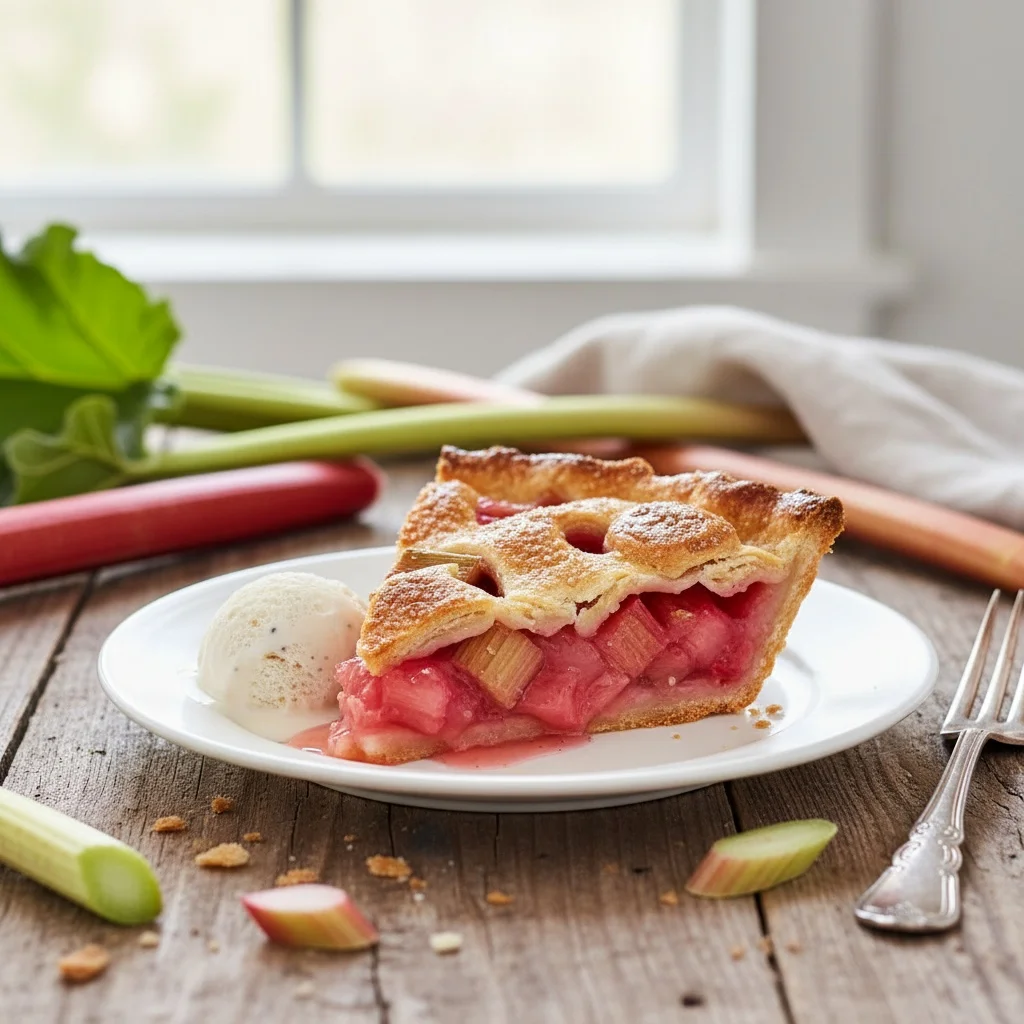
Perfect Pie Crust
A comprehensive guide to making a consistently flaky and delicious pie crust, avoiding soggy bottoms.
Ingredients
- 2 1/2 cups all-purpose flour
- 1 teaspoon salt
- 1 teaspoon sugar
- 1 cup unsalted butter, chilled and diced
- 6-8 tablespoons ice water
Directions
In a large mixing bowl, whisk together the flour, salt, and sugar until well combined. Sift the flour if needed.
Add the diced butter to the flour mixture. Using a pastry cutter or your fingertips, blend the butter into the flour until the mixture resembles coarse crumbs.
Drizzle in the ice water, one tablespoon at a time, mixing gently with a fork or your hands until the dough holds together.
Gather the dough into a ball, divide it in half, and flatten each half into a disk. Wrap in plastic wrap and refrigerate for at least 1 hour.
On a lightly floured surface, roll out the dough to fit your pie pan. Roll from the center outward, maintaining an even thickness.
Gently transfer the dough to the pie pan. Trim and crimp the edges to create a decorative border.
Preheat your oven to 375°F (190°C). Line the crust with parchment paper and fill with pie weights. Bake for 15 minutes, then remove the weights and bake for an additional 5-10 minutes until golden brown.
Recipe Reviews
- ★★★★★
Excellent recipe!
Leave a Reply
Your email address will not be published. Required fields are marked *


Excellent recipe!