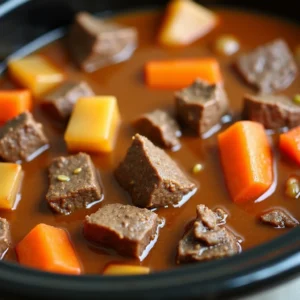
Ingredients
- Ground beef
- Onion
- Garlic cloves
- Chili powder
- Ground cumin
- Paprika
- Crushed tomatoes
- Tomato paste
- Beef broth
- Kidney beans
- Pinto beans
- Salt
- Black pepper
- Cayenne pepper (optional)
- Cheddar cheese (for topping)
- Sour cream (for topping)
- Green onions (for topping)
- Crackers (for serving)
Instructions
- Gather all the necessary ingredients: ground beef, onions, bell peppers, garlic, diced tomatoes, tomato paste, chili powder, cumin, oregano, salt, and pepper.
- In a large pot or Dutch oven, cook the ground beef over medium-high heat until browned and crumbled.
- Add the diced onions and bell peppers to the pot and sauté until they are soft and translucent.
- Mince the garlic and add it to the pot, cooking for an additional minute until fragrant.
- Pour in the diced tomatoes, tomato paste, chili powder, cumin, and oregano. Stir to combine.
- Season with salt and pepper to taste.
- Bring the chili to a simmer and let it cook for 30-45 minutes, stirring occasionally, until the flavors have melded and the chili has thickened.
- Adjust the seasoning as needed, adding more chili powder, cumin, or salt and pepper to suit your taste preferences.
Storage Instructions
Once you’ve prepared your delicious homemade chili, it’s important to store it properly to ensure it stays fresh and flavorful. Chili can be stored in the refrigerator for up to 4 days or in the freezer for up to 3 months. When refrigerating, be sure to transfer the chili to an airtight container or resealable bag. This will help prevent the chili from drying out or absorbing other flavors in the fridge. For freezing, let the chili cool completely before transferring it to a freezer-safe container or bag. Be sure to leave a bit of headspace to allow for expansion during freezing. When ready to enjoy, simply thaw the chili in the refrigerator overnight and reheat it on the stovetop or in the microwave. The flavors will continue to develop and meld together, making your chili even more delicious after a bit of time in the fridge or freezer.
It’s important to note that the storage time for chili can vary depending on the ingredients used and how it was prepared. Chili made with fresh, perishable ingredients like ground meat, vegetables, and dairy may have a shorter refrigerator lifespan than chili made with canned or dried ingredients. Always inspect your chili before consuming and discard any that has an off smell, appearance, or texture. Food safety should be a top priority when storing and reheating homemade chili.
Another important tip for storing chili is to portion it out before freezing. This makes it easier to thaw and reheat just the amount you need, rather than having to defrost the entire batch. You can freeze individual servings in airtight containers or freezer bags, or freeze the chili in larger portions for family-sized meals. Be sure to label the containers with the date and contents for easy identification later on.
Proper storage is key to ensuring your homemade chili stays fresh and delicious for as long as possible. By following these simple guidelines, you can enjoy the fruits of your labor for days or even weeks to come. Whether you’re reheating a single serving or feeding a crowd, your homemade chili will be just as flavorful and satisfying as the day you made it.
Presentation Tips
When it comes to serving up your delicious homemade chili, presentation can make all the difference. Start by selecting the right serving vessel, such as a sturdy bowl or mug, to showcase the rich, hearty texture of the chili. Consider garnishing the top with a sprinkle of shredded cheddar cheese, a dollop of sour cream, or a sprinkling of fresh chopped cilantro or green onions. These simple additions not only add a visually appealing touch but also enhance the overall flavor profile of the dish.
Another effective presentation tip is to serve the chili alongside complementary sides, such as warm cornbread, crisp tortilla chips, or a fresh green salad. This creates a well-rounded meal that satisfies both the palate and the eyes. Additionally, you can experiment with serving the chili in a bread bowl, where the hollowed-out bread acts as both a serving vessel and an edible accompaniment to the main dish.
When it comes to the table setting, consider using rustic or casual dinnerware to further enhance the homemade feel of the chili. Opt for sturdy, earthenware bowls or mugs, and consider adding a touch of color or texture with a patterned napkin or a simple sprig of fresh herbs. This attention to detail helps to create a cozy, inviting atmosphere that complements the warmth and comfort of the homemade chili.
Finally, don’t forget the importance of temperature when presenting your chili. Serve the dish piping hot, allowing the aromas to waft through the air and entice your guests. This not only enhances the overall dining experience but also ensures that the chili is at its most flavorful and satisfying.
By focusing on the presentation of your homemade chili, you can elevate the dish and create a truly memorable dining experience for your family and friends. With these simple tips, you can showcase your culinary skills and share the love of a delicious, comforting homemade chili.
Common Mistakes To Avoid
When it comes to making delicious homemade chili, there are a few common mistakes that can easily be avoided. One of the most frequent errors is not allowing the chili to simmer long enough. The longer the chili simmers, the more the flavors will meld and develop, resulting in a richer, more complex taste. Another common misstep is using low-quality or pre-ground spices. Fresh, high-quality spices are essential for creating a truly flavorful chili. Additionally, many people make the mistake of not properly browning the meat before adding it to the pot. Properly searing the meat helps to lock in the juices and adds a depth of flavor that can’t be achieved otherwise.
Another pitfall to avoid is not adjusting the seasoning as the chili cooks. Taste the chili periodically and add more salt, spices, or other seasonings as needed. The flavors will continue to evolve, and what may have tasted perfect at the beginning may need a little tweaking by the end. Finally, one of the most common mistakes is not allowing the chili to rest for at least 30 minutes before serving. This resting period allows the flavors to fully develop and the chili to thicken up to the perfect consistency.
By being mindful of these common pitfalls, you can ensure that your homemade chili turns out perfectly every time. With a little attention to detail and a willingness to adjust the recipe as you go, you’ll be rewarded with a chili that is rich, flavorful, and absolutely delicious. Whether you’re feeding a crowd or enjoying a cozy meal at home, these tips will help you create the best homemade chili you’ve ever tasted.
It’s also important to remember that chili recipes can be highly personal and subject to individual preferences. Don
Tips
Crafting the perfect homemade chili is an art, and with these helpful tips, you’ll be well on your way to creating a delicious and comforting dish that will satisfy your taste buds. First and foremost, take the time to carefully select and prepare your ingredients. Use high-quality, fresh spices and herbs to build a robust flavor profile. Additionally, consider incorporating a variety of beans, such as kidney, pinto, and black beans, to add texture and depth to your chili. When it comes to the meat, opt for lean ground beef or turkey to keep the dish healthy and flavorful.
Another key tip is to allow your chili to simmer for an extended period, allowing the flavors to meld and develop. This slow-cooking process helps to tenderize the meat and allows the spices to infuse every bite. Be patient and resist the urge to rush the process – the extra time will pay off in the end with a truly exceptional homemade chili.
Customization is also crucial when it comes to creating the perfect chili. Experiment with different heat levels by adjusting the amount of chili powder or hot sauce to suit your personal preferences. Additionally, consider adding in additional vegetables, such as diced onions, bell peppers, or even corn, to enhance the overall texture and nutritional value of your dish.
One final tip is to make a large batch of chili and freeze any leftovers for easy reheating and enjoyment at a later date. Homemade chili freezes beautifully and can be a lifesaver on those busy weeknights when you need a quick and satisfying meal.
By following these tips and embracing the art of homemade chili-making, you’ll be well on your way to crafting a dish that will impress your family and friends. Enjoy the process, experiment with flavors, and savor the delicious results of your culinary efforts.
Faq
Chili is a beloved dish that can be enjoyed year-round, and making it at home can be a delightful experience. If you’re new to homemade chili or looking to refine your recipe, you may have some questions. In this FAQ section, we’ll address some of the most common queries about easy homemade chili recipes.
One of the most frequently asked questions is, “What are the essential ingredients for a great homemade chili?” The core components typically include ground beef or turkey, diced tomatoes, kidney or pinto beans, onions, garlic, chili powder, and a variety of spices like cumin, oregano, and cayenne pepper. The combination of these ingredients creates a rich, flavorful, and satisfying chili.
Another common question is, “How long does it take to make homemade chili?” The answer can vary depending on the recipe and cooking method, but generally, a basic homemade chili can be prepared in about an hour. This includes the time for browning the meat, sautéing the vegetables, and simmering the chili to allow the flavors to meld together.
Many people also wonder, “Can I make homemade chili in a slow cooker or Instant Pot?” Absolutely! Both of these appliances are excellent for making easy homemade chili recipes. The slow cooker allows the flavors to develop over several hours, while the Instant Pot can produce delicious chili in a fraction of the time compared to traditional stovetop methods.
Lastly, a frequent query is, “How can I make my homemade chili spicier?” If you’re looking to add more heat to your chili, you can experiment with increasing the amount of chili powder, adding diced jalapeños or habaneros, or using a spicier type of ground meat. Remember, start with small increments and adjust to your desired level of spiciness.
Culturalstory
Chili has a rich cultural history, with roots tracing back to ancient Mesoamerican civilizations. The dish’s origins can be found in the culinary traditions of indigenous peoples, who combined locally sourced ingredients such as chili peppers, tomatoes, and various meats to create flavorful stews. As Spanish conquistadors arrived in the Americas, they were introduced to these spicy concoctions and helped spread the popularity of chili throughout the world.
Over time, the recipe for chili evolved, with different regions and cultures putting their own unique spin on the dish. In the American Southwest, for example, chili became a beloved staple, often simmered for hours to develop deep, complex flavors. Texans, in particular, have long been passionate about their chili, with fierce debates over the “proper” way to make it, whether it should contain beans, and which chili peppers are the best to use.
Today, chili remains a beloved comfort food, enjoyed by people of all backgrounds. Its versatility allows for endless variations, from vegetarian versions to creative renditions that incorporate unexpected ingredients. Whether you prefer your chili spicy, savory, or somewhere in between, the dish continues to be a testament to the rich culinary traditions and cultural exchange that have shaped it over the centuries.
As you embark on your own chili-making journey, remember that the beauty of this dish lies in its ability to bring people together. Sharing a bowl of homemade chili with family and friends can be a deeply satisfying experience, one that connects us to the rich cultural heritage of this beloved comfort food.
So, grab your apron, gather your ingredients, and let the simmering begin. Discover the joy of crafting your own delicious chili, and savor the flavors that have been passed down through generations, each bite a testament to the enduring power of culinary tradition.